Do you want to import kitchen appliances from China, but are unsure about the process? Look no further! This comprehensive guide breaks down the process into easy-to-follow steps, helping you to navigate the complexities of importing from one of the world’s leading manufacturing hubs. Whether you are an experienced importer or are just starting out, this article is essential reading for anyone looking to source high-quality products at competitive prices.
Why China Dominates the Kitchen Appliance Manufacturing Market
It’s common knowledge that most of the world’s home electronics are produced in Asia. But what makes the region so indispensable? The answer lies in its unparalleled integrated supply chain ecosystem. The infrastructure is incredibly dense and highly optimised, covering everything from raw material sourcing and precision molding to advanced PCB (printed circuit board) assembly.
When you partner with kitchen appliances manufacturers in china, you are not just hiring an assembly line; you are tapping into a network of rapid prototyping, specialized engineering, and massive economies of scale. This centralized ecosystem drastically reduces lead times and lowers production costs, allowing global importers to maintain competitive retail pricing while preserving healthy profit margins.
What Do You Need to Know Before Importing Kitchen Appliances from China?
Before issuing your first purchase order, it is important to lay a solid foundation. Importing hardware requires rigorous preparation. You must have a thorough understanding of your target market’s safety regulations, voltage requirements (e.g. 110 V vs. 220 V) and consumer preferences regarding design and functionality. Furthermore, it is essential to have a clear budget that encompasses not just unit costs, but also tooling, compliance testing, freight and import duties, in order to accurately forecast ROI.
Step 1: Defining Your Product Scope & Niche
The first step in your procurement journey is clearly defining what you want to sell. The small appliance market is highly segmented. Are you looking to source heavy-duty commercial blenders, or are you targeting the home DIY baking niche with ergonomic hand mixers?
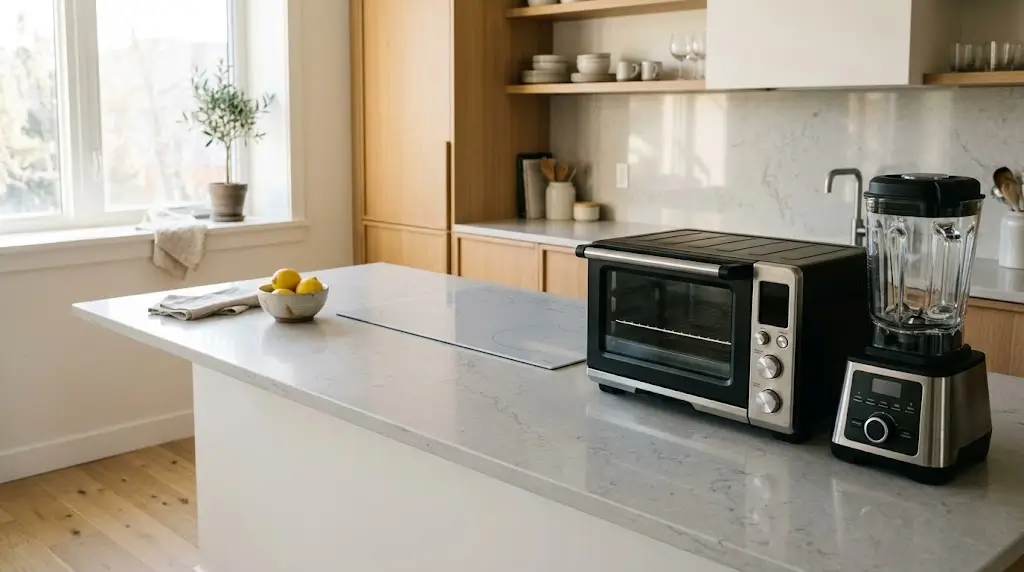
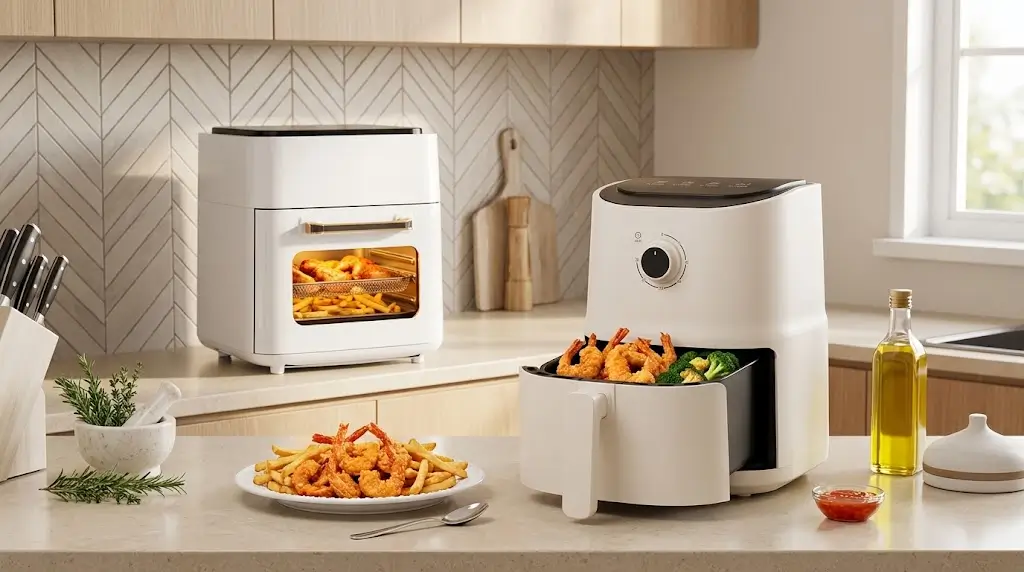
If you are sourcing wholesale kitchen appliances, it is highly recommended to look beyond a single item. A successful brand often scales by offering an ecosystem of products. For instance, a reliable manufacturing partner should not only specialize in small kitchen appliances but also offer the flexibility to expand into home electronics and personal care products. This strategic diversification ensures that as your brand grows, your supplier can seamlessly scale with you without the need to vet new factories from scratch.
Step 2: Choosing Between OEM and ODM Solutions
Understanding the difference between OEM (Original Equipment Manufacturer) and ODM (Original Design Manufacturer) is crucial for your business model.
- OEM (Original Equipment Manufacturer): You provide the complete design, blueprints, and technical specifications. The factory acts purely as the manufacturer. This is ideal if you have a proprietary design or need specific oem kitchen appliance parts manufactured to strict tolerances.
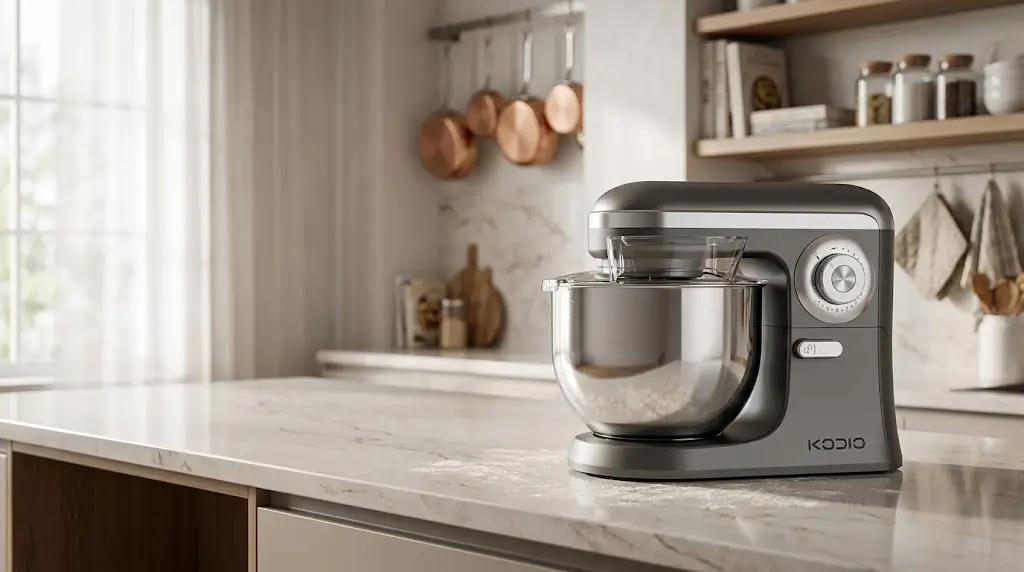
- ODM (Original Design Manufacturer): The factory provides an existing, pre-engineered product which you can customize with your logo, colors, and packaging. If you are looking to quickly launch private label kitchen appliances with lower upfront R&D costs and faster time-to-market, ODM is the preferred route.
A strong manufacturing partner provides end-to-end solutions. Flexibility is key to meeting modern consumer market demands, from initial product concept and industrial design to engineering and final production.
Step 3: Navigating Global Certifications & Compliance
One of the biggest challenges when importing electrical kitchen appliances is ensuring that they comply with the strict legal and safety requirements of your target destination. Selling uncertified electrical goods can result in customs seizures and substantial fines, not to mention severe damage to your brand’s reputation.
Depending on where your customers are located, your products must pass specific laboratory tests:
- North America: Look for UL (Underwriters Laboratories) or ETL marks, alongside FCC for electromagnetic interference. Any components touching food must comply with FDA regulations.
- Europe: The CE marking is mandatory, along with RoHS (Restriction of Hazardous Substances) and REACH compliance.
- Middle East & South America: You will need region-specific certifications such as SASO/SABER for Saudi Arabia or INMETRO for Brazil.
Always request valid, up-to-date test reports from your supplier before mass production begins.
Step 4: Factory Evaluation & Quality Control
Finding a supplier online is easy; finding the best kitchen appliance manufacturer requires due diligence. You must evaluate factories based on their Quality Management Systems (like ISO 9001), production capacity, and historical export records to your specific region.
A robust Quality Control (QC) framework should be non-negotiable. It must encompass:
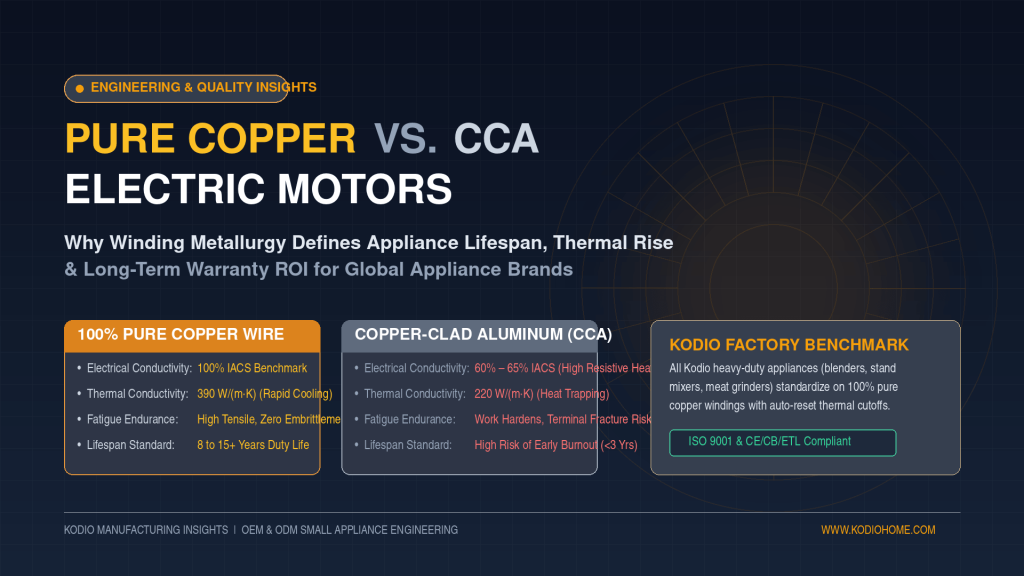
- IQC (Incoming Quality Control): Inspecting raw materials like copper motors and food-grade plastics before assembly.
- IPQC (In-Process Quality Control): Monitoring the assembly line to catch defects early.
- FQC (Final Quality Control): Testing the finished kitchen appliance for functionality, electrical safety (Hi-Pot testing), and packaging durability before shipment.
Step 5: Shipping, Logistics, and Incoterms
Efficient supply chain management does not stop at the factory gate. You must negotiate clear Incoterms to define exactly where the factory’s responsibility ends and yours begins.
EXW (Ex Works): You are responsible for collecting the goods directly from the factory and handling all logistics.
FOB (Free on Board): The factory covers the cost and risk of transporting the goods to the nearest export port (e.g. FOB Shenzhen or FOB Guangzhou) and clearing them for export. This is the most common and highly recommended term for B2B buyers.
CIF (Cost, Insurance and Freight): The factory handles shipping and insurance to your destination port; however, this often results in hidden destination fees.
Partnering with a reliable freight forwarder will ensure your goods are transported smoothly and cleared by customs.
Conclusion
Successfully importing electrical goods requires:
- A clear product and OEM/ODM strategy.
- Strict adherence to global compliance standards.
- A reliable manufacturing partner.
Kodio delivers end-to-end manufacturing solutions to help global brands thrive. Contact our sourcing experts today for your custom quote and latest product catalog!
Once you understand the basic import regulations, finding a reliable manufacturing partner is your next critical step. To help you navigate this process, check out our comprehensive guide on [How to Choose the Right OEM/ODM Manufacturer for Kitchen Appliances in China].