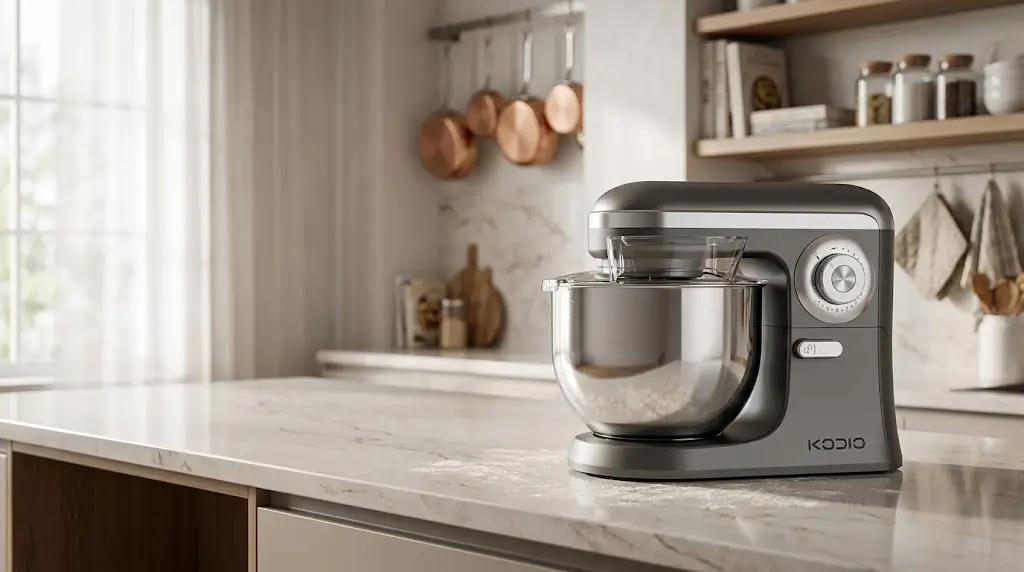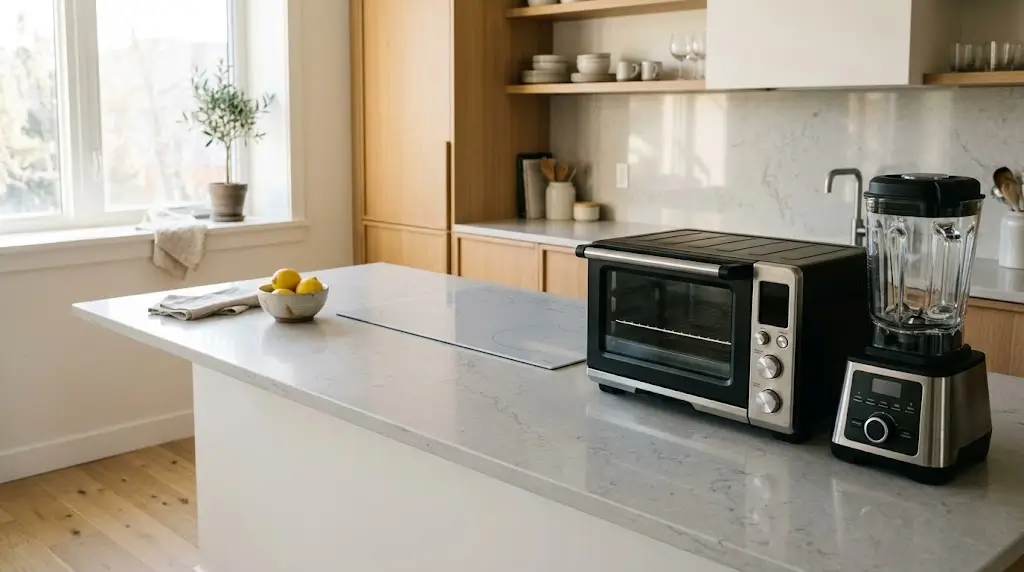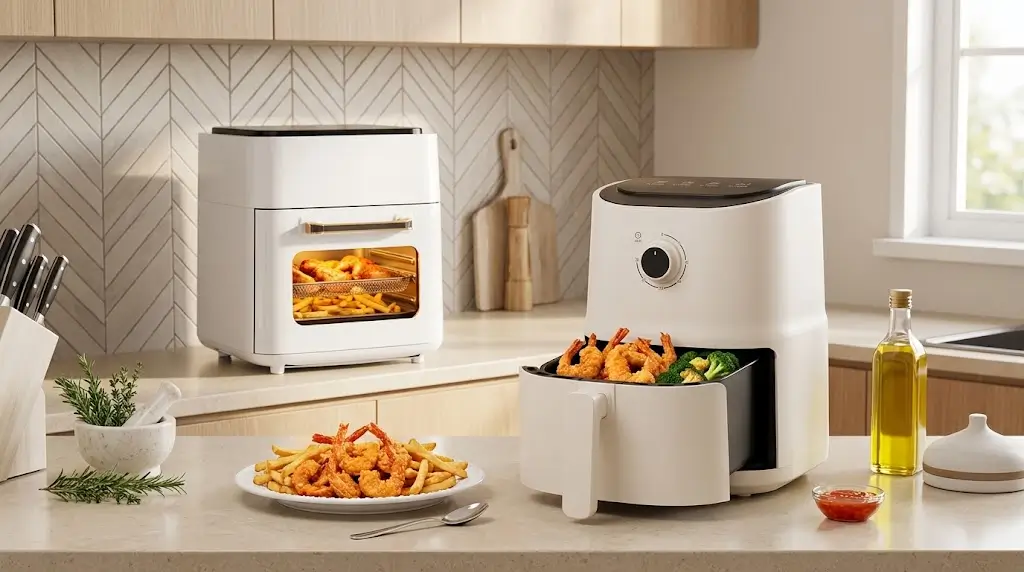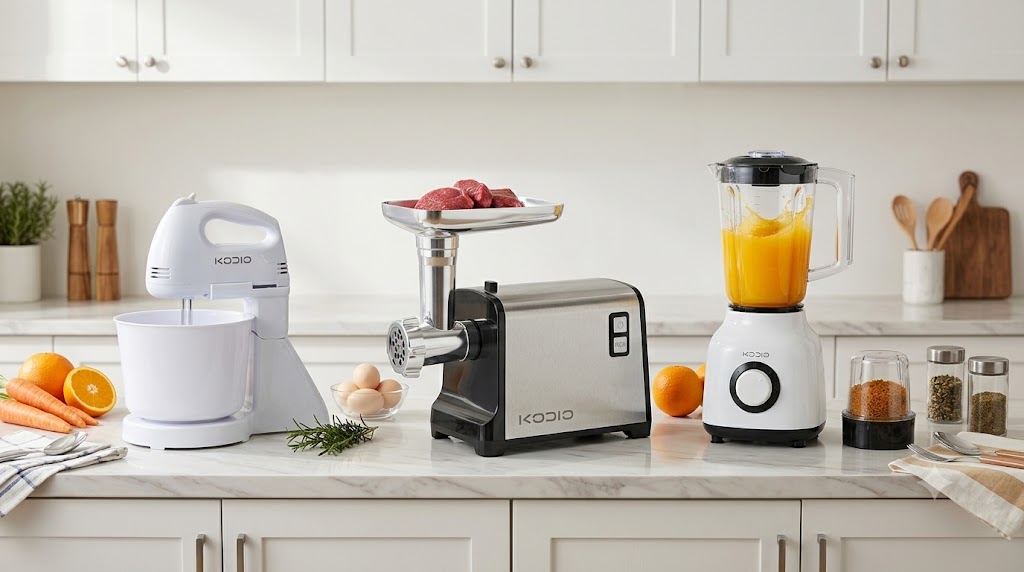
The small kitchen appliances market worldwide is still growing very quickly. Consumers across the globe are upgrading their kitchens with air fryers, electric kettles, blenders, rice cookers and more at a rate that has importers and retailers in a constant search for dependable supply. China is still the king of small kitchen appliance manufacturing in the world. Competitive factory pricing, huge production capacity and a whole ecosystem of suppliers able to handle anything from private label orders to full OEM development.
Sourcing from China, however, is not without its challenges. Selecting from thousands of suppliers, checking quality, managing logistics and protecting your brand takes local knowledge and experience. This guide walks you through the essential steps of sourcing small kitchen appliances from China — and explains why partnering directly with a professional, agile manufacturing partner can make all the difference for your brand’s longevity and profit margins.
Why China Is the Go-To Source for Small Kitchen Appliances
China has undoubtedly earned its moniker as the “world’s factory,” and this is especially true for the industry of tiny kitchen equipment. This environment has unmatched benefits for a manufacturer of kitchen appliances.
The reasons are manifold:
- Unmatched Supply Chain Ecosystem: China boasts an incredibly dense and mature network of raw material suppliers, component manufacturers, and logistics providers. This ecosystem drastically reduces lead times and improves efficiency, a critical factor for competitive product development.
- Unbeatable Cost Efficiency: The combination of economies of scale, optimized production processes, and competitive labor costs (especially when compared to Western nations) allows a chinese kitchen appliances partner to offer compelling pricing without sacrificing quality, provided you select the right partner.
- A Skilled and Flexible Workforce: With generations of manufacturing expertise, the Chinese workforce is highly skilled. Furthermore, Chinese factories are often renowned for their remarkable flexibility, able to adjust production schedules and implement changes more rapidly than their global counterparts.
- A Deep Talent Pool of Engineers: Chinese universities are producing a vast number of talented engineers. This pool of expertise is crucial for a electric kitchen appliance partner to drive innovation and integrate smart technologies.
This robust foundation is what has allowed companies like Kodio to consistently deliver value to global clients since its establishment in 2009. We have witnessed firsthand how this ecosystem can empower brands when navigated correctly.
Define Your Customization Strategy – OEM vs. ODM
Understanding your required level of customization is crucial before sourcing from China. The industry relies on two main models:
- OEM (Original Equipment Manufacturer): The factory produces an item based entirely on your unique specifications. You own the industrial design, tooling, and intellectual property. This is ideal for established brands wanting full control and unique market differentiation.
- ODM (Original Design Manufacturer): You select a market-ready product from the factory’s existing catalog and apply your custom branding, colors, and packaging. The factory owns the core IP and tooling. This offers a significantly faster, cost-effective time-to-market with minimal upfront R&D investment.
At Kodio, we excel in both models, delivering flexible manufacturing solutions tailored precisely to your global brand’s needs.
Find and Verify Suppliers
Now comes the crucial step of actually finding potential candidates for your best manufacturer of kitchen appliances. There are numerous channels to explore:
- Industry Trade Shows: This is still a powerful way of face-to-face assessment of a potential kitchen appliance manufacturer. Events such as the Canton Fair, the HKTDC Hong Kong Electronics Fair and the International Home + Housewares Show are great venues to meet sales teams and most importantly, speak to product engineers and factory management directly. Pay close attention to their technical knowledge and to their real understanding of the needs of the international market.
- Online B2B Platforms: Platforms like Alibaba and Made-in-China offer an overwhelming number of listings. While these are invaluable for initial research, verification is essential.
- Always look for the “Verified Supplier” or “Verified Manufacturer” status.
- Request copies of their valid business license, quality certifications (like ISO 9001), and a clear list of their current export markets.
- Ask for specific, anonymized examples or case studies of other global projects they have successfully managed. A trade company (middleman) will often give vague, non-technical answers, while a true factory like Kodio will have detailed, technical proof of their expertise.
- Specialized Sourcing Agencies: These agencies have deep, local knowledge and can vet factories and manage the entire supply chain for a fee. This can be a wise investment for larger projects or for businesses new to sourcing in China, as it can mitigate significant risks.
Regardless of the channel you choose, the verification process is where you can truly separate the experts from the middlemen.
Assess True R&D and Cross-Category Capabilities
This is a crucial aspect that distinguishes excellent Chinese producers of kitchen equipment from a basic “pure assembly” company. In a market that is changing quickly and where consumer preferences for modern kitchen appliances are always changing, your partner needs to be a true engineer, not just someone who can follow directions.
When evaluating an engineering team, ask about:
- Their internal product development lifecycle: A true R&D-driven manufacturer should have a structured approach from a product concept and industrial design phase, to full engineering development.
- The specific engineering disciplines they have in-house: A strong team will have mechanical, electrical, and firmware engineers who can work together to solve complex problems.
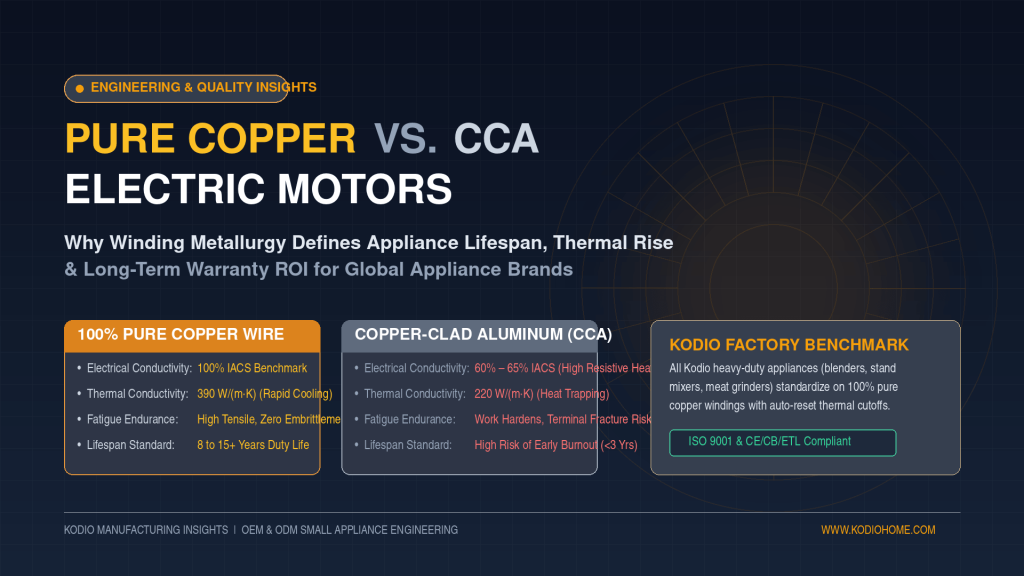
- A “Cross-Category” technical advantage: This is a powerful, yet often overlooked strength. Consider this: can your chosen electric kitchen appliance partner take a powerful, high-durability, pure copper motor and temperature control technology and seamlessly apply that expertise to create a market-winning personal care or home electronics product?
For Kodio, this unique ability is a cornerstone of our service. With years of experience and a deep technical stack, our engineering team provides a highly flexible, tailored manufacturing solution for our clients. We work as a true strategic partner, not just a simple supplier.
Verify Quality Control Infrastructure and Market Compliance
When it comes to quality and international market compliance, there can be no room for compromise. This section is all about technical verification and testing data, not just vague promises.
In-Factory Quality Control (QC) Processes
A true best manufacturer of kitchen appliances must have quality workstreams integrated directly into the production line. Request details about their:
- IQC (Incoming Quality Control): How do they test and verify the raw materials and components from their sub-suppliers, such as the purity of the copper in the motor or the quality of the plastic resin?
- IPQC (In-Process Quality Control): What tests are performed during assembly to ensure each stage is executed correctly?
- FQC (Final Quality Control): What rigorous final checks are performed before the products are packaged? A factory like Kodio will provide detailed, technical BOMs (Bills of Materials) and comprehensive testing parameter sheets for your review before you sign any contract.
Target Market Compliance
Your chinese kitchen appliances partner must have a proven track record of successful compliance in your target market.
- If you are targeting North or South American markets, you should seek detailed data on 110V/60Hz configuration success. A trading company might claim to be able to do any voltage, but a true engineering partner like Kodio has deep, proprietary technical data and successful case studies from major clients in regions like Peru, Colombia, and the USA. This specialized knowledge is a critical factor for long-term product durability and safety.
- Ask for third-party test reports (like those from UL, ETL, or SGS) and have your own engineering team review them to ensure they are authentic and correct.
Even with a solid evaluation process, many buyers still fall into common traps during factory selection. Before signing any production contracts, make sure you review these [5 Costly Mistakes to Avoid When Choosing a Kitchen Appliance Manufacturer].
The Red Flags Checklist
To further protect your brand, our team has compiled this list of red flags to watch out for. If a supplier exhibits multiple of these, proceed with extreme caution.
- They can’t or won’t provide a detailed BOM or a technical parameter sheet.
- They give vague, non-technical answers to precise engineering questions, especially regarding complex voltage configurations.
- They have no history of significant exports to your specific target market and cannot show any proven technical data.
- Their price seems impossible. Remember: if it sounds too good to be true, it almost certainly is. A lower price almost always means cheaper, less durable components like aluminum-wire motors instead of pure copper, or non-certified plastic materials.
- Their focus is purely on “making a sale,” not on solving your technical challenges or building a long-term partnership.
Conclusion
Your success as a kitchen appliance manufacturer is defined by the right OEM/ODM manufacturer in China. This means not just simple pricing and standard profiles but verifying real engineering expertise, strong QC infrastructure and deep market specific technical knowledge. With this definitive guide as your strategic roadmap and your due diligence, you can mitigate great risk and build a successful, profitable and durable brand for the modern consumer market.