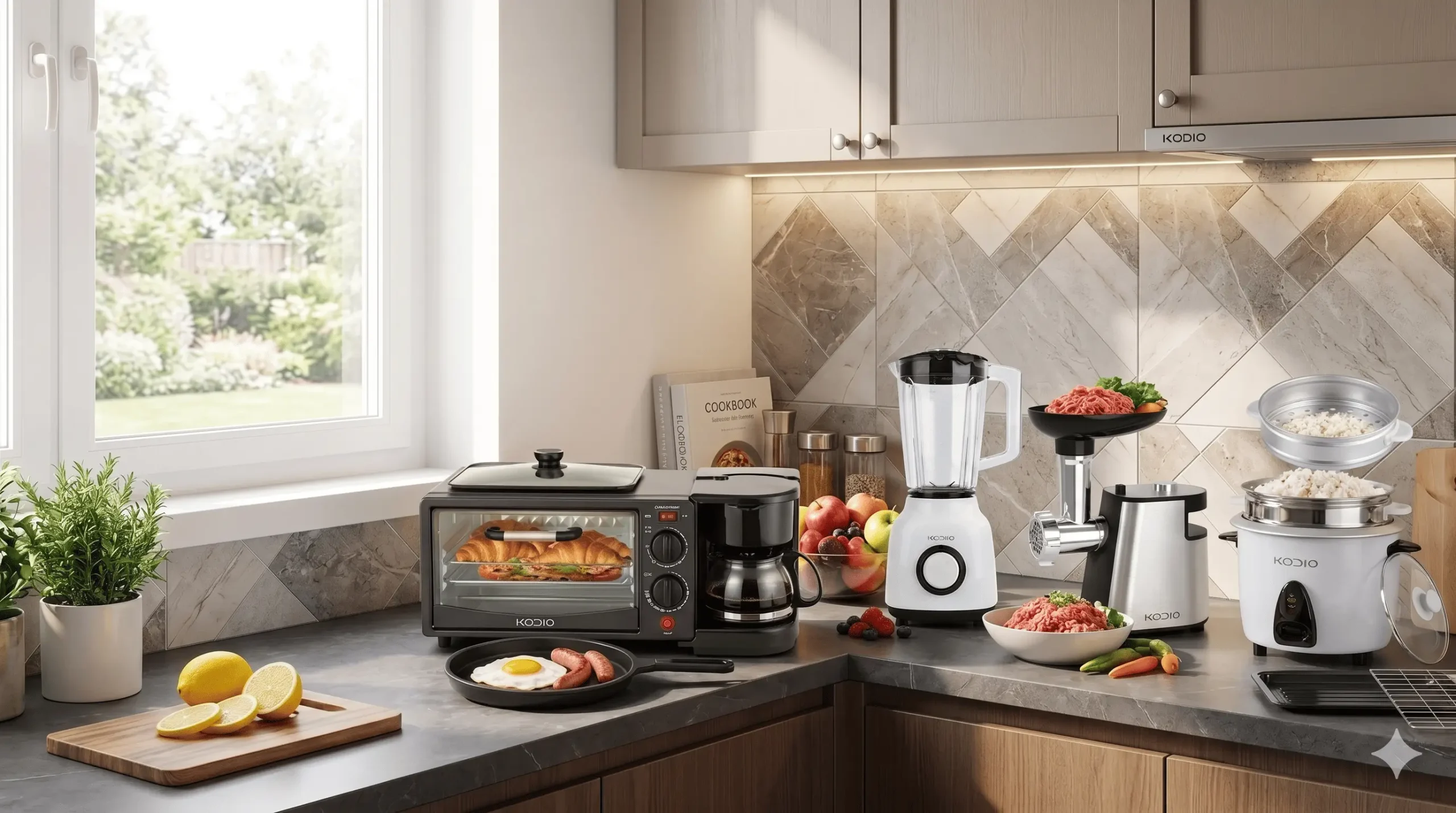
Entering the Latin American kitchen appliance market, especially in a major player like Brazil, is highly lucrative but famously challenging. Foreign brands and purchasing managers can quickly find themselves facing a logistical nightmare when it comes to navigating strict INMETRO safety certifications, adjusting electrical specifications for varying regional voltages and managing heavy import duties. Furthermore, Brazilian consumers have distinct tastes: local culinary habits demand high-wattage appliances with robust motors capable of handling heavy doughs and tough tropical ingredients, as well as specific large-capacity designs.
In order to build a successful product line-up or source reliable inventory, it is essential to understand the market leaders. Whether you are looking to study the competition, establish a retail distribution partnership or find a world-class manufacturing partner to launch your own private label products, this updated 2026 guide breaks down the top kitchen appliance manufacturers in Brazil and uncovers the ultimate supply chain shortcut.
Quick Comparison: Market Positioning at a Glance
Before we take a detailed look at the profiles, here is a simplified overview of how these leading manufacturers and supply chain partners fit into the market landscape.
| Manufacturer / Brand | Primary Market Segment / Business Focus | Key Strengths |
| Kodio | B2B / OEM / ODM Source Factory | Comprehensive private-label customization, factory-direct pricing, global export compliance. |
| Brastemp | Premium / Luxury Consumer Market | Cutting-edge smart home tech, iconic luxury branding, exceptional build quality. |
| Electrolux (Brazil) | Mid-to-High Consumer Market | Mass scale, localized engineering for tropical climates, sleek Scandinavian aesthetics. |
| Mondial | Mass / Budget-Friendly Market | Dominant market penetration, unbeatable cost-effectiveness, lightweight everyday designs. |
| Britânia | Traditional / Mass Market | Traditional brand heritage, family-sized high-capacity appliances, widespread availability. |
| Philco (Brazil) | Mid-Tier Consumer Market | Retro-modern styling, premium features at mid-range pricing, professional-grade aesthetics. |
| Arno | Performance-Driven Consumer Market | High-power motor durability, heavy-duty processing blades, long-standing legacy of trust. |
| Tramontina | Ultra-Premium / Gourmet Market | Professional-grade brushed stainless steel builds, exquisite European-style minimalist designs. |
| Cadence | Young / Compact / Entry-Level Market | Bright and colorful aesthetics, compact time-saving designs perfect for small spaces. |
| Oster (Brazil) | Premium Culinary / Home-Baker Niche | All-Metal Drive systems, commercial-grade components, classic heavy glass pitchers. |
Kodio
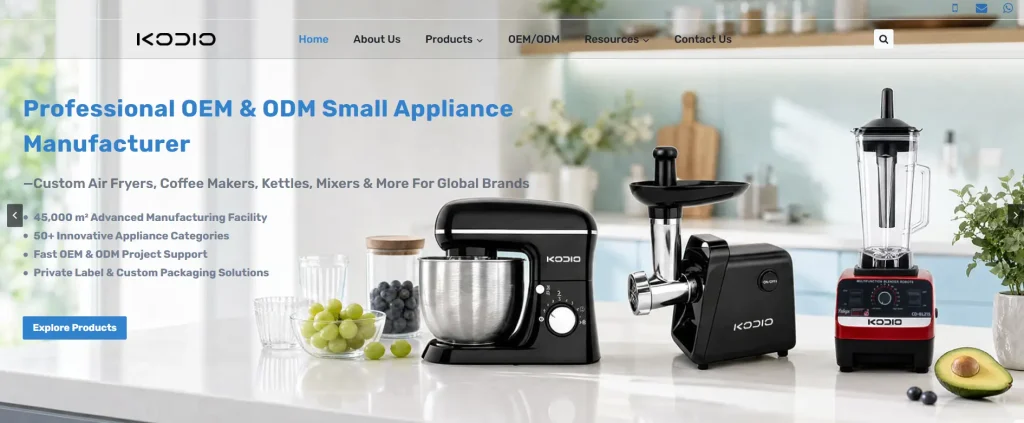
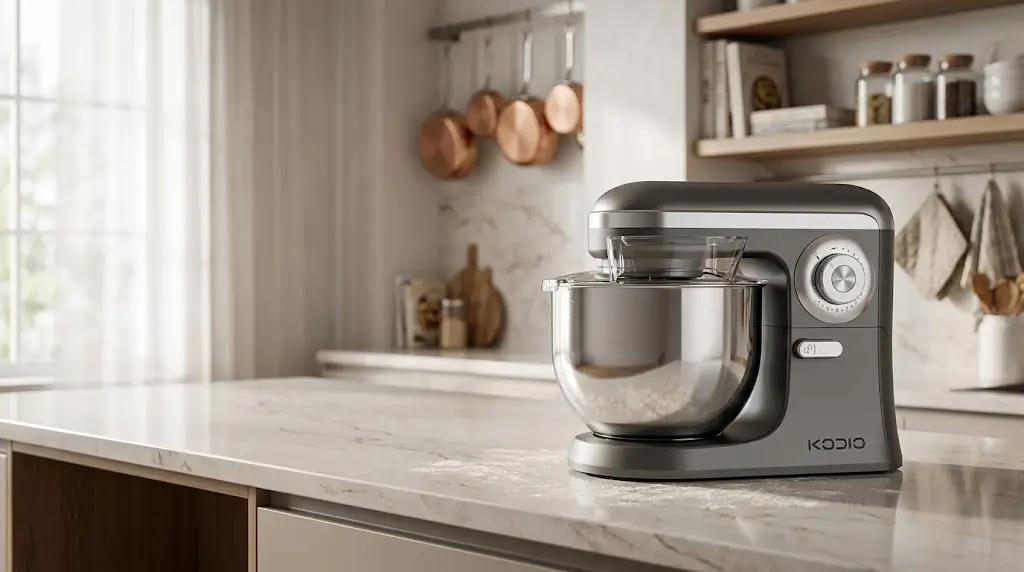
- Brand Background: Unlike traditional consumer-facing retail brands, Kodio operates as a leading B2B ‘source factory’ and OEM/ODM manufacturer, specialising in global wholesale and export. While the “Kodio” logo might not be immediately recognisable to everyday Brazilian consumers on supermarket shelves, the company acts as a vital, invisible supply chain partner. They empower many domestic and international appliance brands by providing custom private-label manufacturing and reliable, high-volume appliance imports tailored to the Latin American market.
- Product Range: High-capacity commercial rice cookers (up to 3.6L/20 cups), versatile 2-in-1 blenders with dry milling attachments, high-pressure 20-bar espresso coffee machines, and portable handheld garment steamers.
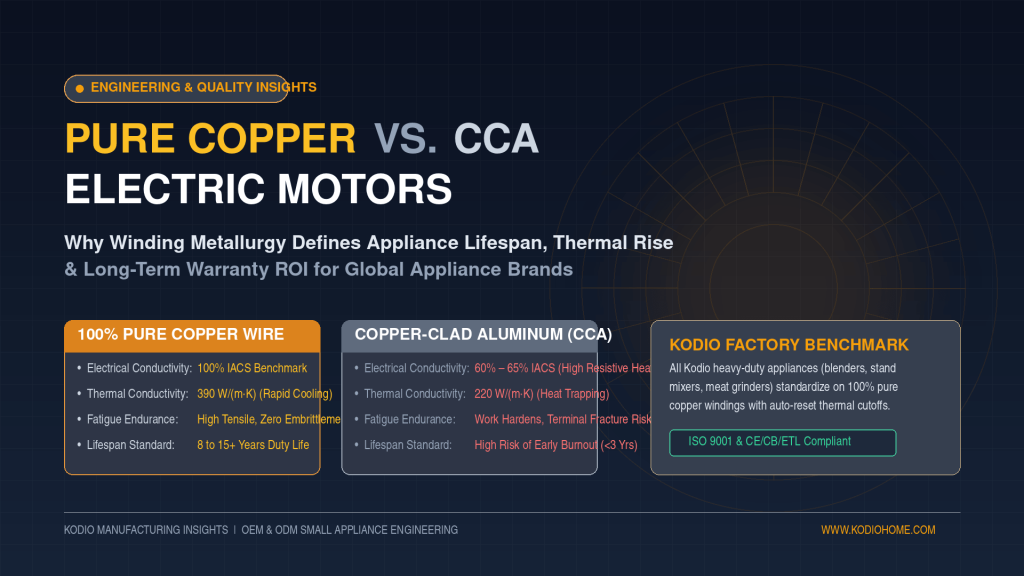
- Product Features: Kodio’s appliances are engineered for commercial durability and global adaptability. They feature dual-voltage capabilities (110V-220V), robust full-copper wiring, and highly customizable specifications. Their B2B-centric engineering means products are designed for scalable manufacturing, offering flexible modifications ranging from custom touch-screen interfaces to bespoke multi-layer packaging.
- Pros: Offers exceptional cost-effectiveness and factory-direct pricing for wholesale buyers. They provide comprehensive OEM/ODM customization, ensuring brands can easily build and expand their own product lines with export-ready appliances.
- Cons: Strictly operates on a B2B business model; therefore, it is completely inaccessible for individual retail consumers. Kodio relies on B2B partnerships rather than direct B2C consumer brand loyalty.
Brastemp
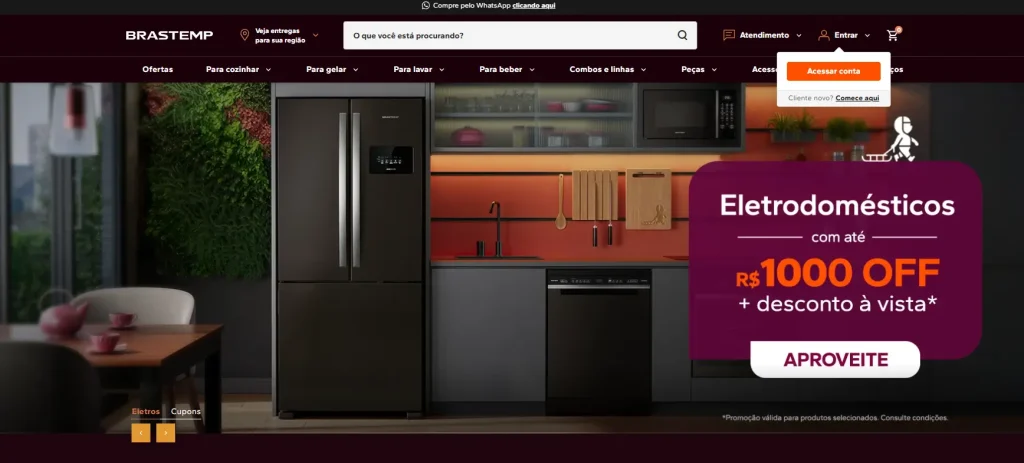
- Brand Background: Founded in 1954, Brastemp is an iconic Brazilian brand that is now a subsidiary of the global Whirlpool Corporation. It is so deeply ingrained in Brazilian culture that the famous advertising slogan “Não é assim uma Brastemp” (It’s not exactly a Brastemp) became a popular catchphrase to describe something that isn’t top-tier. It targets the premium segment.
- Product Range: Refrigerators, gas and electric stoves, built-in ovens, cooktops, dishwashers, and microwaves.
- Product Features: Brastemp focuses on cutting-edge design, smart technology integration, and premium aesthetics. They frequently launch innovative lines, such as their “Retrô” series (vintage-styled mini-fridges and appliances) and smart-connected home devices.
- Pros: Exceptional brand reputation, highly durable build quality, innovative features, and excellent resale value.
- Cons: The premium positioning means their products are significantly more expensive, making them less accessible to budget-conscious consumers..
Electrolux (Brazil Operations)
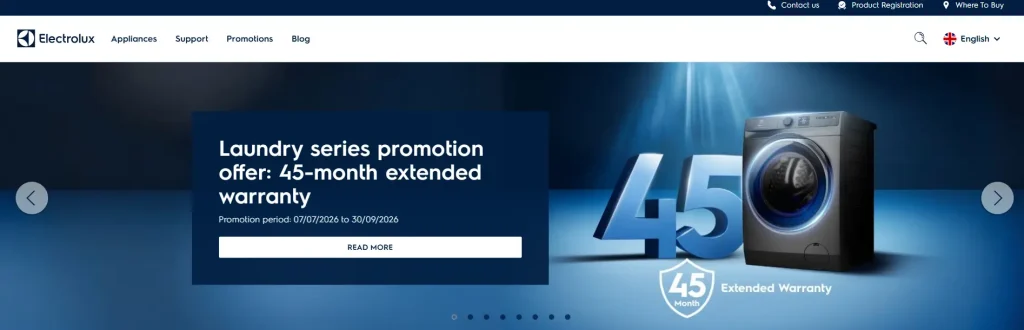
- Brand Background: Although Electrolux is a Swedish multinational, it operates massive, deeply integrated manufacturing facilities within Brazil. It acts almost like a local brand, maintaining a dominant market share and tailoring its engineering specifically to Latin American culinary habits and kitchen layouts.
- Product Range: Large appliances (refrigerators, ovens, cooktops) and an extensive line of small appliances (blenders, mixers, air fryers, and coffee makers).
- Product Features: Electrolux blends sleek, minimalist Scandinavian design with highly functional features adapted for local needs, such as advanced food preservation technology for tropical climates and high-capacity air fryers.
- Pros: Offers a very wide variety of products from entry-level to premium luxury, elegant designs, strong market presence, and excellent sustainability initiatives.
- Cons: Because of its massive scale, customer service and post-sale repair experiences can sometimes be inconsistent depending on the specific Brazilian state or region.
Mondial
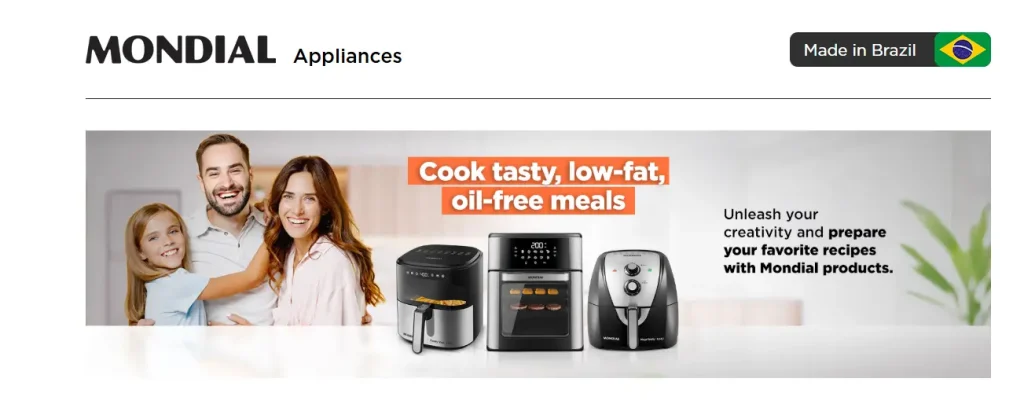
- Brand Background: Founded in 2000, Mondial is a purely Brazilian company that has rapidly become a dominant, aggressive force in the small domestic appliance (SDA) market. By focusing on modern designs manufactured at scale, it has captured a massive share of the middle and lower-middle-class demographic.
- Product Range: Air fryers (where they are market leaders), blenders, juicers, electric grills, rice cookers, and coffee makers.
- Product Features: High wattage output for small appliances, vibrant color options (especially reds and blacks), multi-functional designs, and extremely user-friendly interfaces.
- Pros: Extremely cost-effective, unbeatable market penetration (found in almost every supermarket and electronics store), and highly practical for everyday quick cooking.
- Cons: To maintain low prices, the build quality relies heavily on lightweight plastics, meaning the longevity and motor lifespan can be shorter compared to premium brands under heavy use.
Britânia
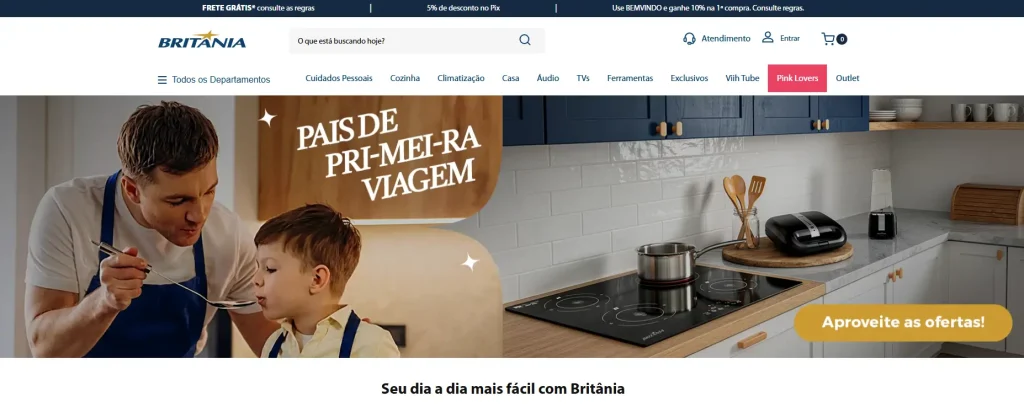
- Brand Background: Founded in 1956 in Curitiba, Brazil, Britânia originally started manufacturing stoves and metallic furniture. Over the decades, it evolved into a powerhouse for small household appliances and electronics. It is one of the most recognized and traditional national brands in the country.
- Product Range: Blenders, stand mixers, electric pans, air fryers, sandwich makers, and citrus juicers.
- Product Features: Britânia focuses on high-capacity appliances, such as exceptionally large blenders and extra-large family-sized electric grills, catering to large Brazilian families and gatherings.
- Pros: Great value for money, reliable performance for standard daily tasks, and incredibly easy to find in retail networks across the country.
- Cons: The designs can sometimes feel a bit dated compared to modern competitors, and the noise levels on motor-driven appliances (like blenders) tend to be noticeably high.
Philco (Brazil Operations)
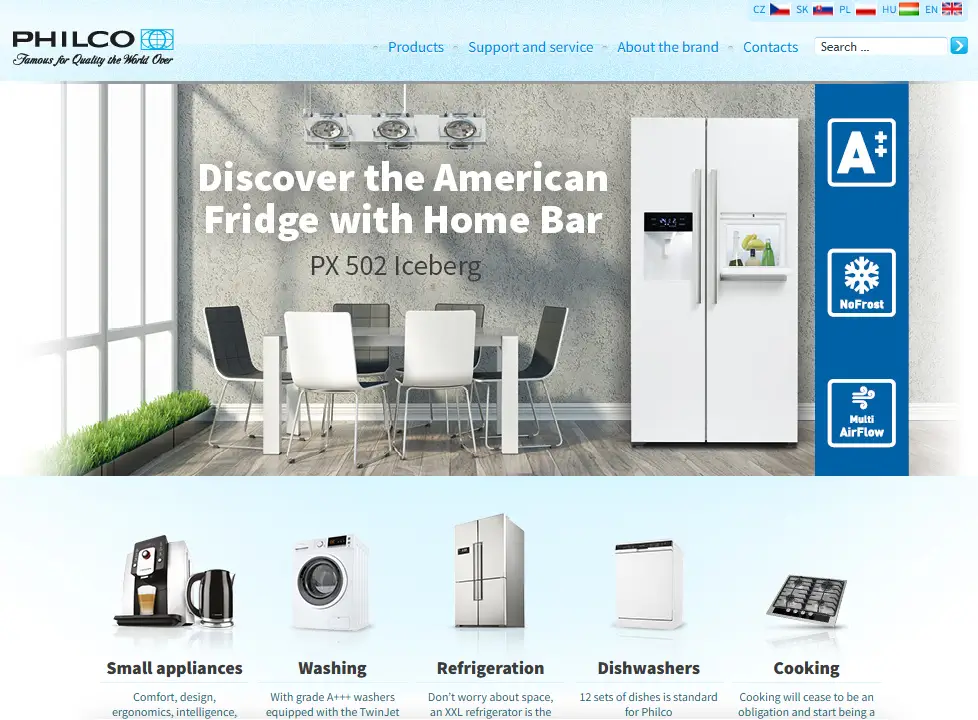
- Brand Background: Philco was originally an American pioneer in electronics. However, the right to use the Philco brand in Brazil was acquired by the founders of Britânia in 2007. Since then, Philco has been aggressively positioned in the kitchen appliance sector as a slightly more premium tier above Britânia.
- Product Range: Premium stand mixers, large capacity air fryers, espresso machines, high-speed blenders, and built-in electric ovens.
- Product Features: A unique blend of retro aesthetics and modern styling, high wattage motors, digital touch panels, and competitive feature sets designed to mimic professional gear.
- Pros: Offers a “premium feel” at mid-range prices, strong overall performance, and highly aesthetically pleasing products that look great on kitchen countertops.
- Cons: Because it shares engineering, R&D, and manufacturing facilities with Britânia, some products are functionally identical to cheaper Britânia models, just with a different outer shell.
Arno (Groupe SEB)
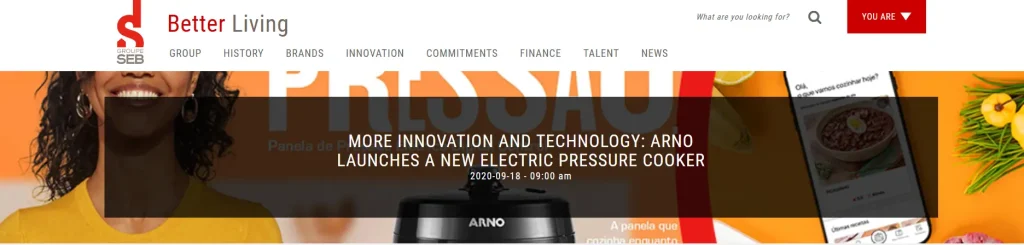
- Brand Background: Founded in 1940, Arno is a highly traditional Brazilian brand that invented and popularized several kitchen items in the country. In 1997, it was acquired by the French multinational Groupe SEB. Arno is deeply trusted by Brazilian homemakers and is famous for its localized innovations.
- Product Range: High-power blenders (liquidificadores), planetary stand mixers (Planetárias), coffee makers, and electric grills.
- Product Features: Arno is known for exclusive technologies like the “Power Max” blades, which are heavily engineered for processing tough local ingredients like raw cassava, ice, and heavy doughs.
- Pros: Exceptional motor durability, highly innovative blending and mixing technology, strong safety features, and a legacy of trust spanning generations.
- Cons: They sit at a higher price point than direct local competitors like Mondial or Cadence, and their design language is highly functional but sometimes less stylish.
Tramontina
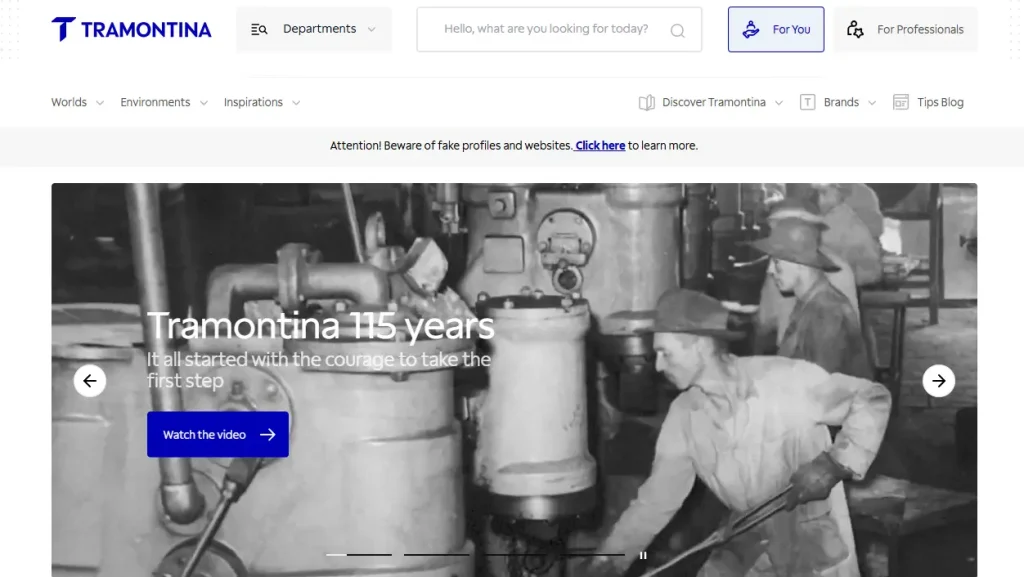
- Brand Background: Founded in 1911 in southern Brazil, Tramontina is globally renowned for its cutlery, barbecue tools, and cookware. In recent years, they have successfully expanded into the high-end electrical kitchen appliance market, leveraging their massive brand trust and reputation for durability.
- Product Range: Premium blenders, built-in electric ovens, induction cooktops, range hoods, and smart coffee makers.
- Product Features: Heavy use of premium materials like brushed stainless steel and cast iron, professional-grade performance metrics, and minimalist, robust, European-style aesthetics.
- Pros: Outstanding build quality, beautiful premium finishes, incredible brand reliability, and appliances that are built to last for decades.
- Cons: Very expensive. Tramontina’s electrical appliances target the luxury, gourmet, and professional niche, making them largely inaccessible to the mass market.
Cadence
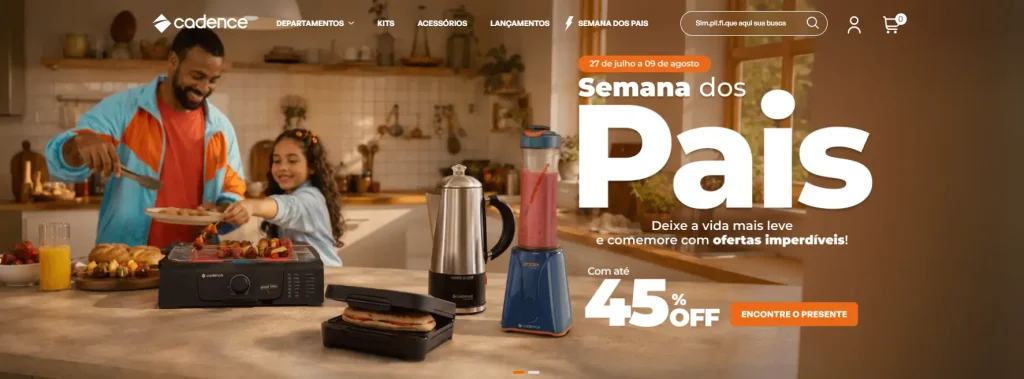
- Brand Background: Founded in 1999 in Brazil, Cadence made a massive mark by introducing the “electric pan” (panela elétrica) to the Brazilian market, which became a cultural phenomenon. It was later acquired by Jarden Corporation (now part of Newell Brands) but maintains a highly localized product strategy.
- Product Range: Electric pans, drip coffee makers, personal blenders, colorful air fryers, and mini-choppers.
- Product Features: Cadence focuses on compact, colorful (often offering bright yellow, red, or teal appliances), and highly practical daily-use items meant to save time.
- Pros: Very affordable, vibrant and fun designs that add personality to kitchens, and perfectly sized for small apartments, students, or singles.
- Cons: They are strictly designed for light domestic use; the lower motor lifespans and plastic builds mean they will not hold up to heavy-duty or professional cooking demands.
Oster
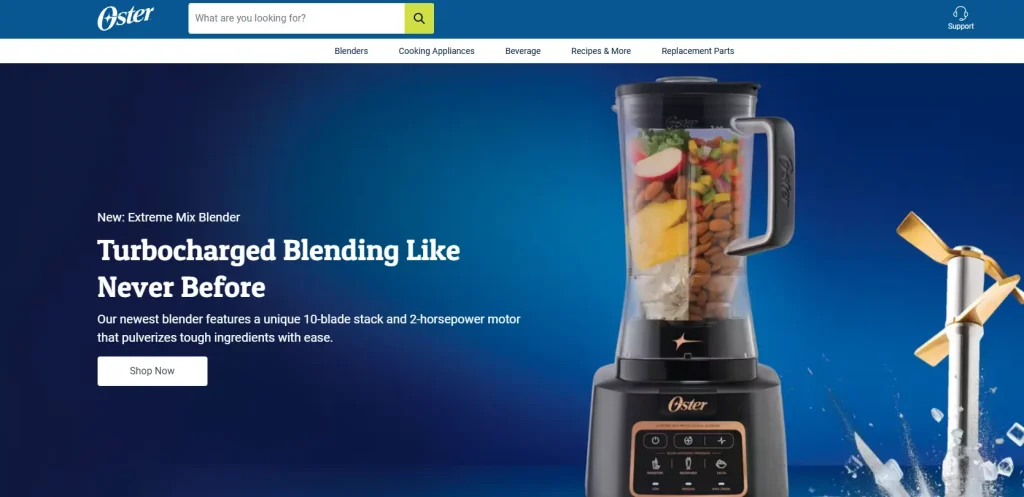
- Brand Background: Also owned by Newell Brands, Oster operates alongside Cadence but strictly targets the premium tier in the Brazilian market. It has built a massive, cult-like following among Brazilian culinary enthusiasts, home bakers, and small business owners.
- Product Range: High-end blenders (famous for the classic beehive design), espresso machines, heavy-duty stand mixers, and convection toaster ovens.
- Product Features: Oster is famous for its “All-Metal Drive” system (metal-to-metal connection between motor and blades), reversible blade technology, and heavy glass pitchers.
- Pros: Professional-level durability, iconic and timeless designs, and excellent performance for tough culinary tasks like crushing ice or kneading heavy dough.
- Cons: Carries a higher price point, and when repairs are needed, official replacement parts (like original glass pitchers) can be quite expensive.
Looking to build your own brand to compete with these giants? Kodio is your ultimate behind-the-scenes manufacturing partner
Similarly, the rapidly expanding Asian consumer base is driving incredible demand for daily culinary essentials. Find out which companies are dominating this sector in our review of the [Top 10 Best Rice Cooker Manufacturers in India].
Conclusion: How to Build Your Own Brand to Compete with the Giants
The Brazilian kitchen appliance sector is dominated by well-established multinational conglomerates and major local retailers. For an emerging brand or importer looking to capture market share, building regional manufacturing from scratch would be incredibly costly.
This is where strategic supply chain collaboration becomes your greatest asset. Kodio can help by serving as your ultimate behind-the-scenes manufacturing partner. By combining factory-direct pricing with specialised OEM/ODM capabilities, Kodio enables you to deliver appliances that are engineered with the exact premium features, dual-voltage flexibility and durable internal components required for the Latin American market, without incurring factory overheads.
Frequently Asked Questions (FAQ)
Q1: What are Kodio’s main services?
A: Kodio is a professional source factory specializing in kitchen and household appliances. We provide comprehensive OEM/ODM manufacturing, global wholesale, and private-label customization services for international appliance brands, distributors, and e-commerce sellers.
Q2: What is your Minimum Order Quantity (MOQ)?
A: Our MOQ varies depending on the specific product model and the level of customization required. Standard factory models usually have a lower MOQ, while deep customizations (like unique colors or custom molds) require a higher volume. Please contact us for a detailed quote on specific items.
Q3: What kind of OEM/ODM customization do you support?
A: We offer full-scale private labeling. This includes printing your brand logo on the appliance, designing custom retail packaging and user manuals, adapting power cords and voltages (110V/220V) for your specific target market, and developing entirely new molds for ODM projects.
Q4: How long is the production lead time?
A: For standard wholesale orders, our typical mass production lead time is about 30 to 45 days after deposit and artwork confirmation. For completely new ODM projects, the timeline will be adjusted based on the engineering and tooling phases.
Q5: Are your products certified for global export?
A: Yes, our factory strictly adheres to international quality control standards. We manufacture our appliances using durable materials, such as full-copper motors, and we can help buyers obtain the necessary regional certifications, such as CE, RoHS and FCC, to ensure compliance in their local markets.
Q6: How can I request a sample or a quotation?
A: Simply reach out to us via the “Contact Us” page or send us an inquiry directly from the product page. Let us know the model you are interested in, your estimated order volume, and any customization needs. Our sales team will respond within 24 hours to arrange your quote and sample shipment.
Brazil’s domestic market is strong, but a world of manufacturing excellence exists elsewhere.
For an invaluable resource on the world’s leading production hub, don’t miss our detailed report on the Top 10 Small Appliance Manufacturers in China.