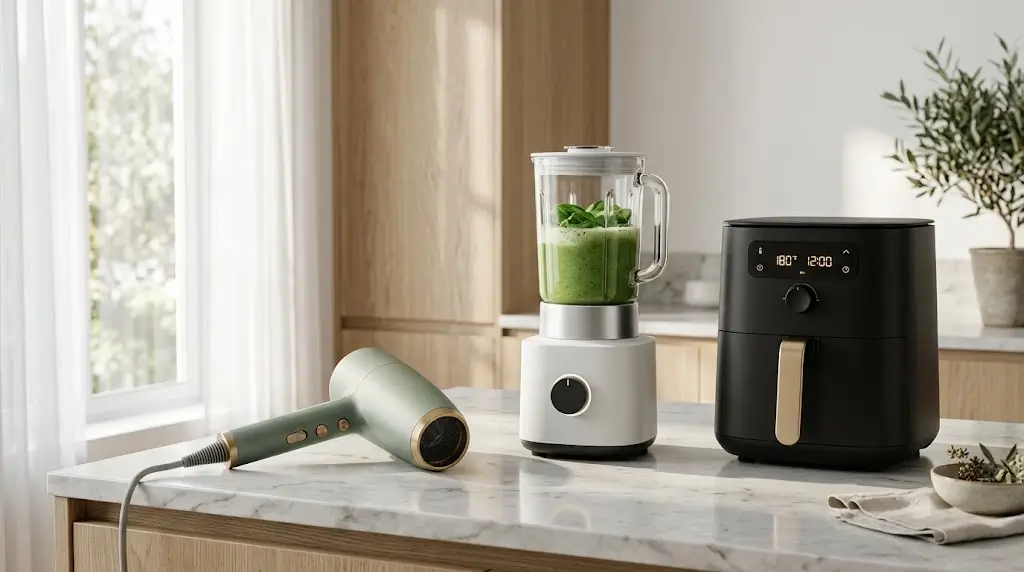
The global market for consumer appliances is undergoing a significant structural change. In earlier product cycles, fundamental utility and brand recognition played a major role in consumer purchasing decisions. Today, retailers, brand owners, and distributors throughout the world are drastically changing procurement criteria due to macroeconomic changes, diminishing urban living areas, rising energy prices, and an increased emphasis on personal wellness.
According to market analyses from Fortune Business Insights and Global Market Insights, both the small domestic appliance and personal care appliance sectors are projected to maintain steady compound annual growth rates (CAGR) exceeding 5% through the decade. However, top-line growth figures tell only part of the story. For B2B buyers, category managers, and private-label brands, the critical challenge is identifying which technological and lifestyle trends are converting into repeatable showroom and e-commerce sales—and how manufacturing partners must adapt to fulfill these evolving demands.
Below is an in-depth analysis of the six key trends dominating global household and personal care appliances, followed by strategic procurement considerations for global importers and brand aggregators.
Macro Drivers Shaping Global Consumer Expectations
Consumer demand does not evolve in a vacuum. Before analyzing specific hardware innovations, it is essential to examine the core behavioral catalysts driving modern household and personal care adoption.
Rapid Urbanization and Space Rationalization
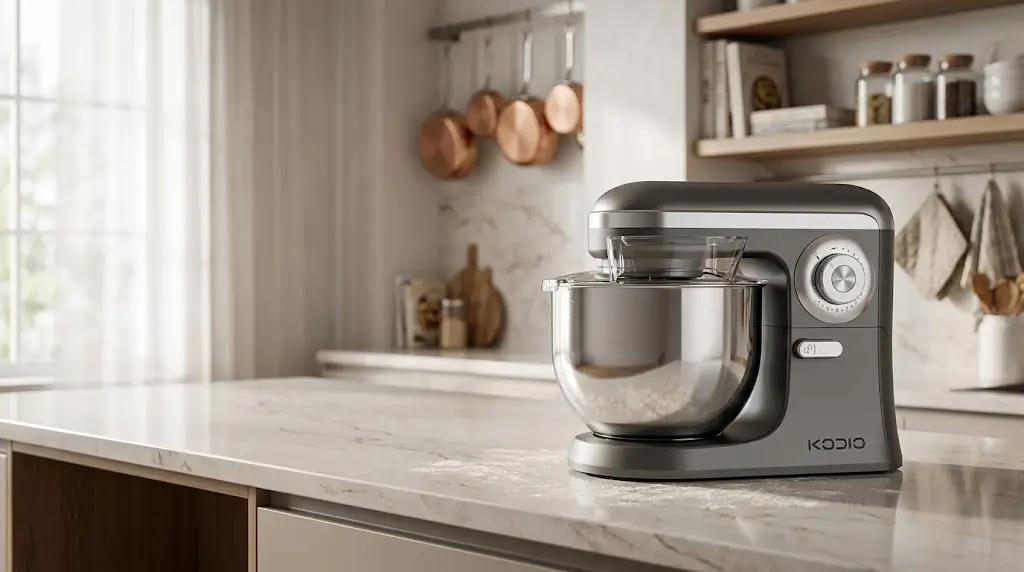
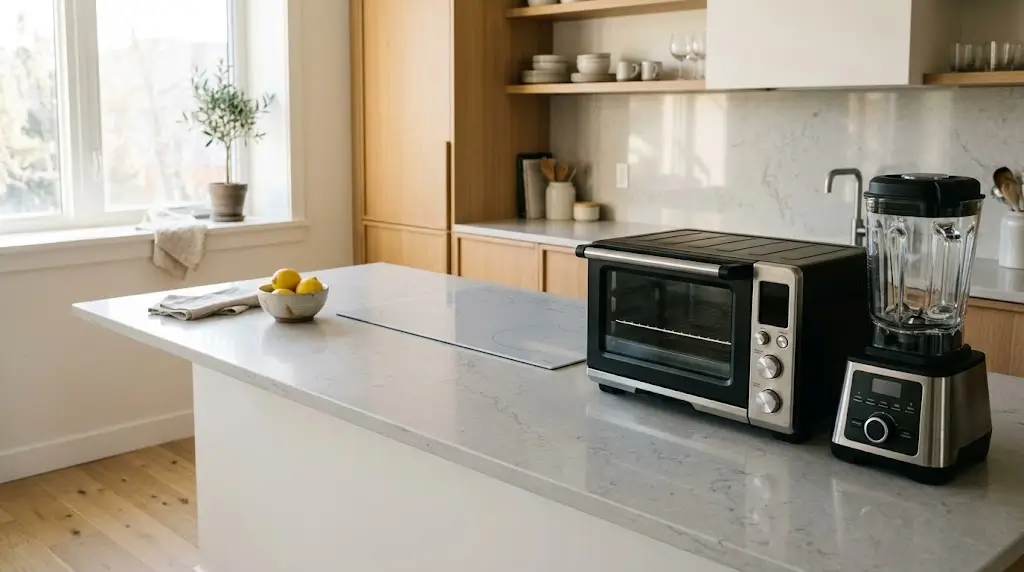
Urban households are condensing into smaller square footage across major import markets, such as North America, East Asia, and Western Europe. Single-use, bulky appliances that take up permanent countertop space are becoming less and less popular. Nowadays, consumers want cord-management solutions that fit into modern, minimalist dwellings, modular accessories, and small footprints.
The Institutionalization of At-Home Wellness
Culinary wellness and self-care have evolved from optional pastimes into regular health practices. Customers want restaurant-caliber nutritional preparation and salon-caliber grooming results right in their homes. Technical standards for mass-market hardware have increased as a result of this expectation, moving away from basic mechanical operation and toward precise temperature management, ionic conditioning, and active nutrition preservation.
The Top 6 Emerging Trends in Household and Personal Care Appliances
Trend 1: From Simple Connectivity to Cognitive AI Adaptation
First-generation “smart” appliances relied on basic Wi-Fi connectivity and mobile phone companion apps, which often resulted in low long-term user retention. As documented by Euromonitor International and Persistence Market Research, the industry is moving decisively from manual remote controls toward onboard cognitive assistance.
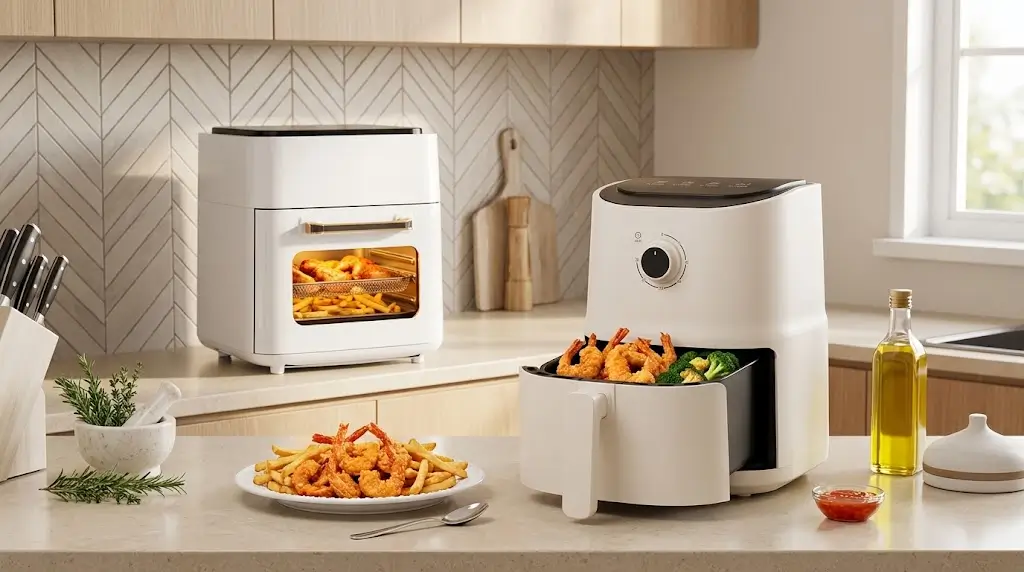
- In Small Kitchen Appliances: Contemporary air fryers, multi-cookers, and precision blenders now include internal NTC temperature probes and algorithmic load sensors instead of requiring consumers to set manual timings or consult external recipe books. In order to avoid motor stall and provide a constant texture, an intelligent blender may automatically pulse and modulate torque in response to real-time ingredient resistance detection.
- In Personal Care Tools: Microcontrollers that measure airflow temperature up to 100 times per second are now seen in high-speed hair dryers and smart hair straighteners. These gadgets offer observable performance benefits that may be successfully displayed on both digital video channels and store shelves by actively reducing heat damage to the scalp and hair cuticle.
Trend 2: The Dominance of Multifunctional Engineering
Single-use devices lead to messy cupboards and regret after a purchase. By combining several appliance categories into a single, unified chassis, forward-thinking companies are gaining market share.
Immersion hand blenders with quick-release attachments are now used for much more than just pureeing soup in the kitchen appliance market. With its titanium-coated dual-action blades, whisks, potato mashers, and small chopping bowls, a single 1000W motorized base can efficiently replace three different appliances.
Similar to this, multipurpose hair stylers that combine curling barrels with aerodynamic Coanda effects, high-velocity drying, and volumizing smoothing brushes are outperforming standalone, single-purpose hair dryers in the personal care industry. Multifunctional SKUs optimize packaging quantities and container shipping costs while offering B2B distributors attractive customer value propositions.
Trend 3: Precision Brushless DC (BLDC) Motors and Energy Efficiency
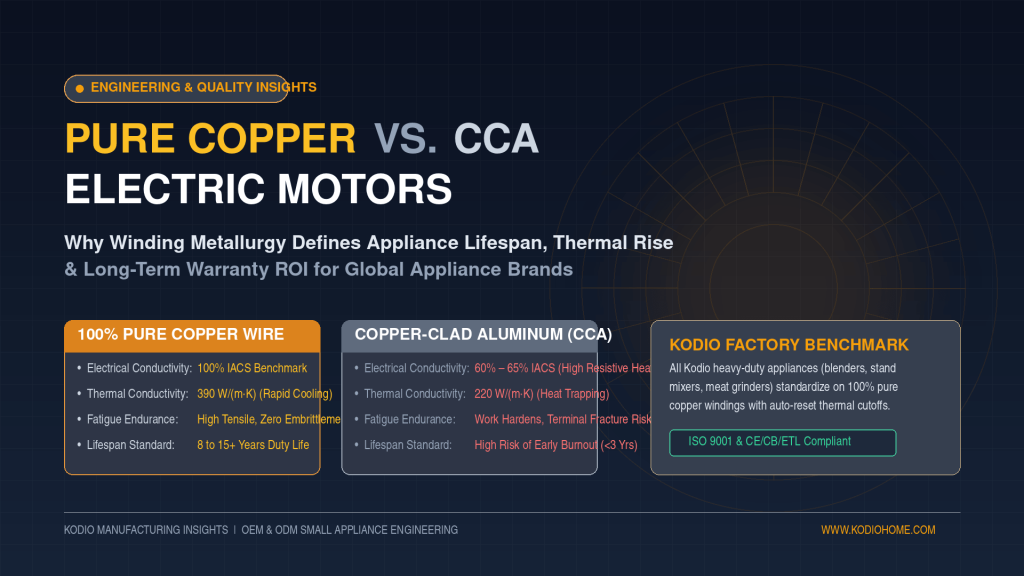
The global regulatory landscape regarding appliance energy consumption has become increasingly strict, with tighter eco-design mandates in the European Union and North America. In response, premium manufacturers are replacing conventional brushed AC motors with high-efficiency Brushless DC (BLDC) motors.
| Feature / Metric | Conventional AC Motor | Advanced High-Speed BLDC Motor |
| Rotational Speed (RPM) | 15,000 – 25,000 RPM | 110,000 – 125,000 RPM |
| Energy Consumption | Moderate to High | Up to 35%–40% Reduction |
| Acoustic Noise Profile | High-frequency whine (>82 dB) | Tuned airflow acoustics (<75 dB) |
| Lifespan (Operating Hours) | ~300 – 500 hours (carbon brush wear) | 1,000 hours (brushless magnetic rotor) |
| Form Factor & Weight | Heavy, bulky armature | Compact, lightweight, ergonomic |
In personal grooming devices, BLDC motors generate high air pressure without requiring excessive heating elements, accelerating dry times while protecting delicate hair structures. In kitchen blenders and food choppers, BLDC motors maintain continuous torque under heavy friction without overheating the housing.
Trend 4: The “Home Salon & Spa” Grade Personal Care Revolution
The boundary between professional clinical tools and consumer appliances is blurring rapidly. Consumers expect professional performance standards combined with intuitive home operation:
- Active Moisture & Ion Emission: Modern hair dryers and styling tools are no longer evaluated solely on air volume. Buyers demand negative ion generators producing over 200 million ions/cm³ to neutralize static, lock in moisture, and produce high-gloss finishes.
- Sonic Oral & Facial Care: High-frequency sonic toothbrushes (38,000+ vibrations per minute) and sonic facial cleansing devices now incorporate pressure-sensing indicators to prevent gum abrasion, alongside inductive wireless charging cradles designed for wet environments (IPX7 waterproof rating).
- Medical-Grade Materials: Personal contact surfaces increasingly utilize hypoallergenic silicone, food-grade PCTG (BPA-free) plastics, and surgical-grade stainless steel to ensure strict compliance with global health standards.
Trend 5: Architectural Minimalism and Muted CMF Design
Appliances are no longer hidden away inside cupboards; they are integral design elements of the home. Color, Material, and Finish (CMF) strategies have evolved substantially:
- Muted, Earthy Palettes: Shiny black plastics and glossy chrome accents are being replaced by matte finishes, cashmere greys, warm terracotta, sage green, and brushed metallic trim.
- Ergonomics & Balance: Manufacturers are redistributing internal components to optimize center-of-gravity balance. Placing the motor lower down in hair dryer handles or hand blenders significantly reduces wrist strain during prolonged use.
- Haptic Interfaces: Tactile physical sliders and smooth rotary dials with subtle micro-LED indicators are favored over overly complex digital touchscreens that can be difficult to operate with wet or oily hands.
Trend 6: Rise of Agile OEM/ODM Partnerships for Private Labels
According to supply chain research by Technavio and NielsenIQ, mid-market retail brands and e-commerce aggregators are prioritizing agility. Rather than investing millions in dedicated tooling and multi-year R&D cycles from scratch, commercial buyers are partnering with established Original Design Manufacturers (ODM) and Original Equipment Manufacturers (OEM).
Top-tier manufacturing partners offer proven core mechanical architectures—such as verified motor assemblies, power management PCBAs, and safety gearboxes—while allowing brand clients to customize exterior tooling shells, colorways, surface textures, and packaging. This hybrid development model compresses time-to-market from 18 months down to less than 120 days.
Sourcing and Procurement Playbook for B2B Importers
For procurement professionals sourcing appliances on behalf of retail chains or direct-to-consumer (D2C) brands, trend alignment must be backed by rigorous risk management:
Mandatory International Certifications
Different target jurisdictions enforce distinct electrical safety and hazardous substance standards. Before issuing purchase orders, ensure that factory test reports originate from ILAC-accredited laboratories:
- North America: UL/ETL electrical safety listings, FCC Part 15 for electromagnetic compatibility, FDA/NSF compliance for food-contact components.
- European Union: CE-LVD (Low Voltage Directive), CE-EMC, RoHS 2.0 hazardous material restrictions, REACH, and ERP energy efficiency mandates.
- Global & Emerging Markets: CB Scheme test certificates, facilitating straightforward localized conversion into KC (South Korea), PSE (Japan), SASO (Saudi Arabia), or NOM (Mexico).
Rigorous In-House Life-Cycle Testing
Do not rely exclusively on static sample inspections. Evaluate whether the manufacturing facility possesses dedicated endurance and reliability testing infrastructure, including:
- Drop testing from 1.0 to 1.2 meters to verify housing drop resilience.
- Continuous motor life-cycle burn-in under dynamic resistance loading.
- Thermal safety shutdown testing to confirm dual-stage thermostat and thermal fuse cut-offs.
- Salt spray testing on metallic blades, decorative bezels, and charging pins to prevent corrosion during ocean freight transport.
Frequently Asked Questions (FAQs)
What are the fastest-growing categories in personal care appliances?
High-speed BLDC ionic hair dryers, multi-attachment hot air stylers, and sonic oral care devices are exhibiting the highest year-over-year volume growth. Growth is primarily propelled by consumer willingness to trade up from entry-level mechanical appliances to salon-performance alternatives.
How are energy efficiency regulations impacting small domestic appliances?
Regulatory bodies in Europe and the Americas are raising the bar on standby power consumption (requiring idle draw under 0.5W) and rewarding high-efficiency motor engineering. Products featuring BLDC motors and intelligent sleep cycles enjoy accelerated regulatory approvals and reduced customs clearance friction.
Why is ODM manufacturing becoming standard for consumer appliance brands?
ODM partnerships give brands access to mature, safety-certified internal architectures without heavy initial capital expenditure. This allows brand owners to focus their resources on marketing, channel expansion, and brand identity, while relying on the manufacturer’s engineering team for tooling precision, quality assurance, and global compliance.
Conclusion: Strategic Takeaways for Forward-Looking Brands
The worldwide market for home and personal care appliances is about to enter a new era characterized by disciplined design and advanced technology. Substantial engineering advancements, such as quieter, higher-rpm brushless motors, simple thermal feedback loops, small, multipurpose footprints, and sophisticated esthetic palettes, are surpassing gimmicks and surface-level communication.
Sourcing teams need to go beyond straightforward unit cost discussions in order to preserve margin resilience and brand equity in competitive retail channels. The most reliable route to scaled commercial growth is to form direct, cooperative collaborations with engineering-driven OEM/ODM manufacturers that can produce certified, market-ready innovations.